They highlight the most important issues of the contemporary world, but among them are also ironic and humorous stories. They invite us to pause and reflect on our relationship with nature, as well as with ourselves. This year, 12 films will compete for the Onet Big Screen Doc Award during the 23rd edition of MDAG, all sharing one thing in common – they are made to be experienced on the big screen.
For the third year in a row, Onet is the patron of the competition. Poland’s largest online portal will present these 12 titles in its articles. The winner of the Onet Big Screen Doc Award will be chosen by festival audiences voting in four cities – Warsaw, Gdynia, Wrocław, and Poznań.
The 23rd MDAG will take place from May 8–17, 2026 in cinemas across seven cities (Warsaw, Wrocław, Gdynia, Poznań, Katowice, Łódź, and Bydgoszcz), and online from May 19 to June 1 at mdag.pl. Festival passes and industry and media accreditations for the Warsaw edition are already on sale, with limited availability. All information is available at book.mdag.pl. Single tickets for screenings will go on sale on April 23 at mdag.pl and via festival cinemas’ websites and box offices.
What are the competition films about?
Family secrets
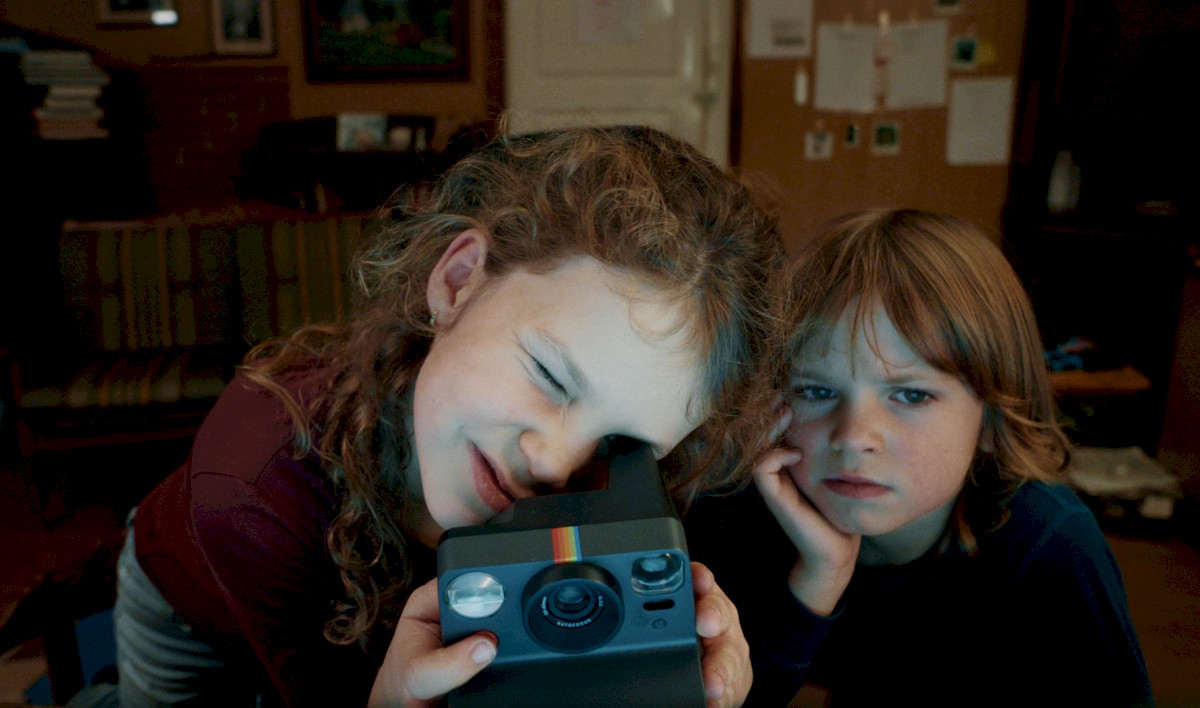
[Two children sit at home and look at an instant camera; the girl puts her eye to the viewfinder while the boy watches with curiosity.]
The competition starts with two family stories. In a Norwegian family, a mysterious package has been arriving every year for over 20 years. Despite the investigation about “The Mystery Package”, dir. Silje Evensmo Jacobsen, the sender remains unknown. The youngest members of the family, Edle and Brage, decide to solve the mystery once and for all. What begins as a playful adventure gradually unfolds into a deeper, moving story.
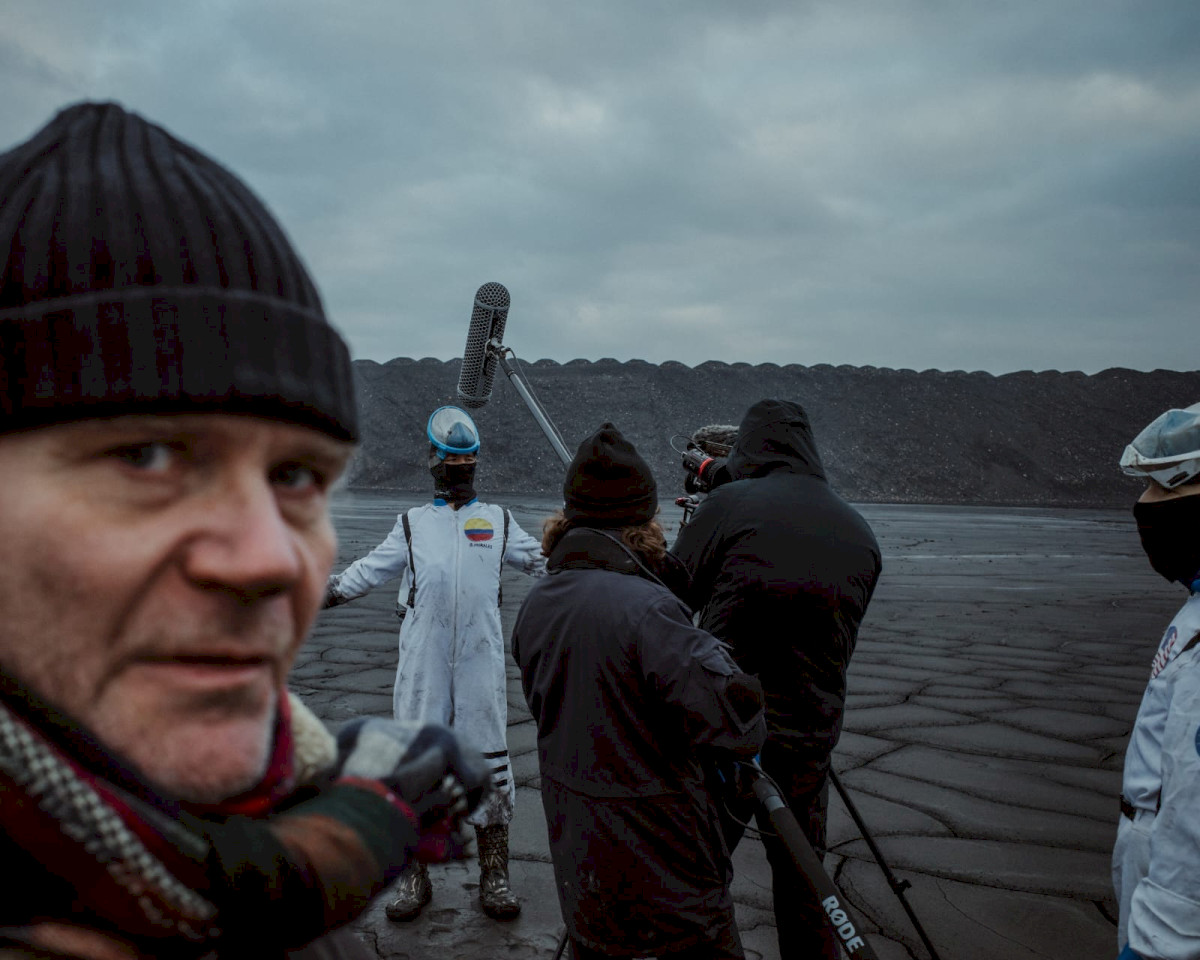
[Behind the scenes of a film set on a raw, volcanic landscape; a film crew is recording a person in a white suit and helmet, while in the foreground a man in a cap looks toward the camera.]
Meanwhile in Poland, Maciej takes his son and two of his friends on a holiday trip, where they decide to shoot a horror film together. It turns into one of the greatest adventures of their lives. Today, the boys are nearly 30. Will time allow them to finish the project - and will their friendship survive? “Candidates of Death” (Kandydaci śmierci), dir. Maciej Cuske, documents their journey over 15 years, filmed by the father-director and his son, who has since become an acclaimed cinematographer.
Tracking fascinating animals (and more)

[Two white polar bear cubs play in the snow - one lies on its back while the other leans over it.]
In a completely different part of the world, we meet Frost, a mother bear fighting to raise her cubs in the Arctic – the fastest-warming place on Earth. In “Frost Without Snow and Ice,” Asgeir Helgestad reveals the dramatic effects of climate change and human activity. Can empathy bring humans closer to nature before it’s too late?
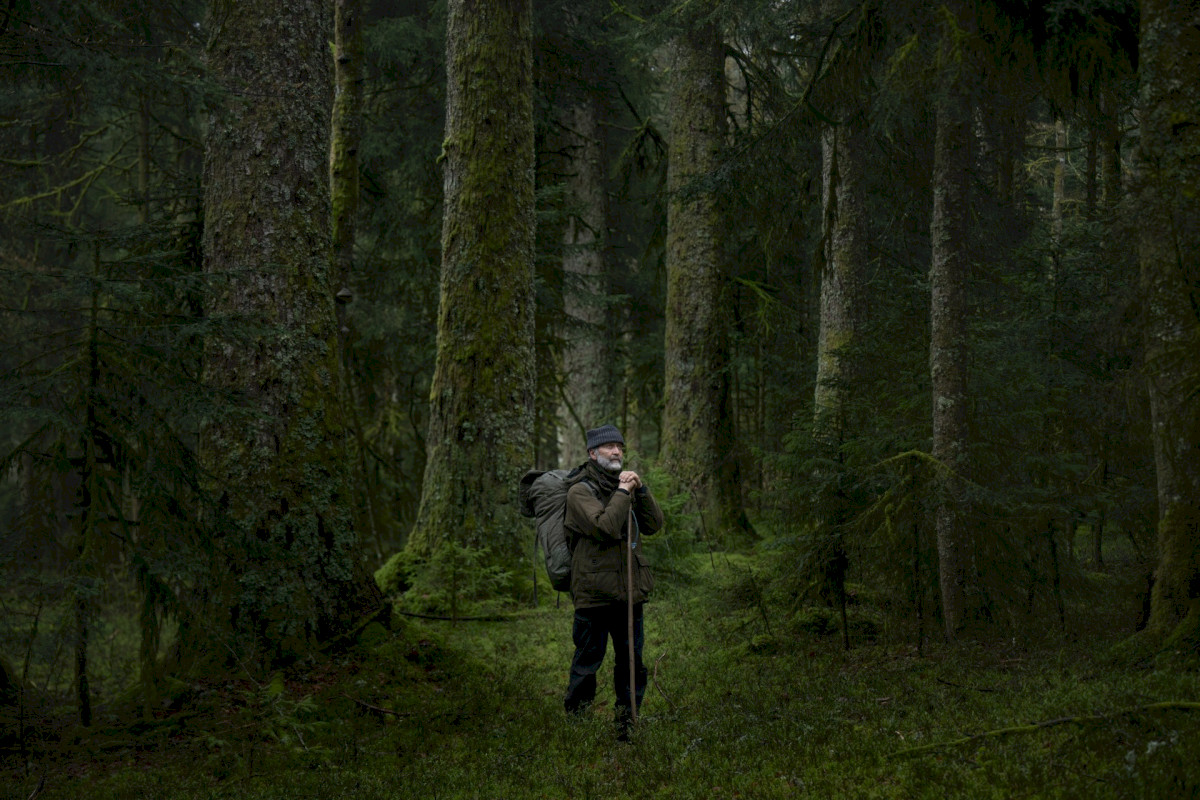 An older man with a backpack and a walking stick stands in a dense, green coniferous forest, surrounded by tall, moss-covered trees.
Human closeness to nature is also explored by Vincent Munier, known for his previous film “The Velvet Queen.” This time, in “Whispers in the Woods”, he takes us into the ancient forests of France with his father and son. The camera not only captures images but also “listens” to the forest as a living organism, full of sound and movement. It is a story of awe, shared experience, and family bonds, which has already attracted nearly 1.5 million viewers in French cinemas.
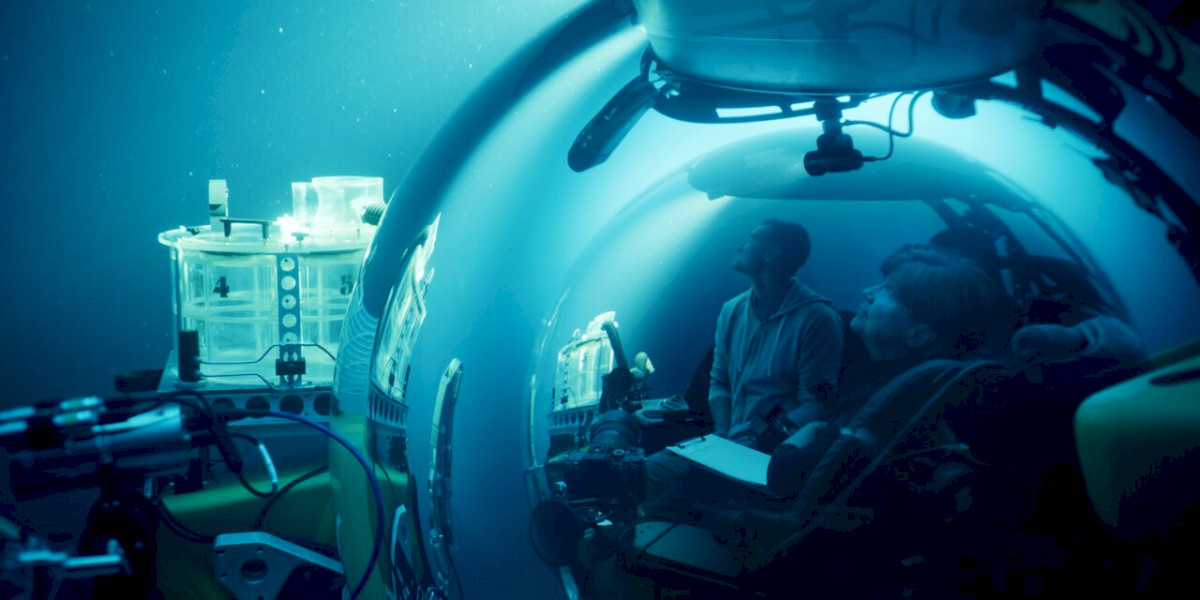
[The interior of an underwater research capsule; two people sit in a glass cabin observing the surrounding blue water and scientific equipment.]
Dr. Edie Widder invites us to the depths of the ocean, where she studies bioluminescence – the light that allows marine organisms to communicate in darkness. “A Life Illuminated”, dir. Tasha Van Zand, documents her boldest expedition yet in search of the “flashback” phenomenon, a luminous response among sea creatures. Will the light of the ocean be fully revealed?
The truth about money, power, and conflict
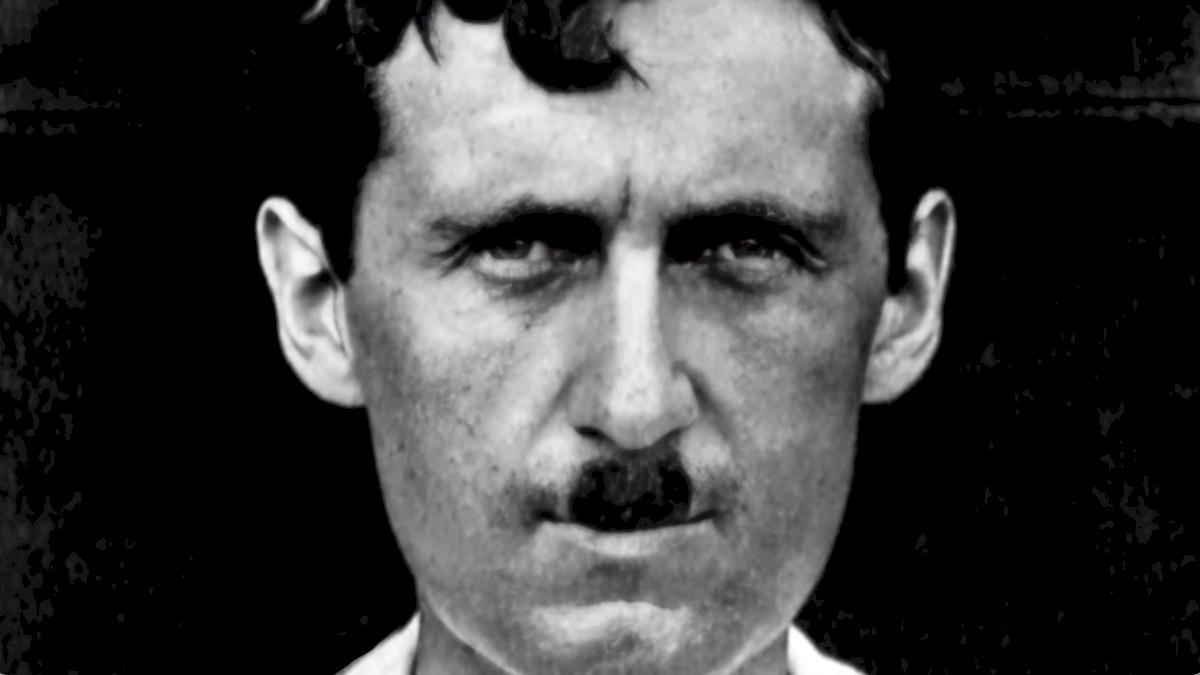
[]A black-and-white portrait of a man with a distinctive small mustache and a serious expression, captured in close-up.
The competition also includes films that closely examine today’s social and political realities. One of them asks whether the final months of George Orwell, author of 1984, might hold answers to our present. Oscar®-nominated Raoul Peck, in “Orwell: 2 + 2 = 5”, traces the roots of socio-political ideas that may help address contemporary crises.
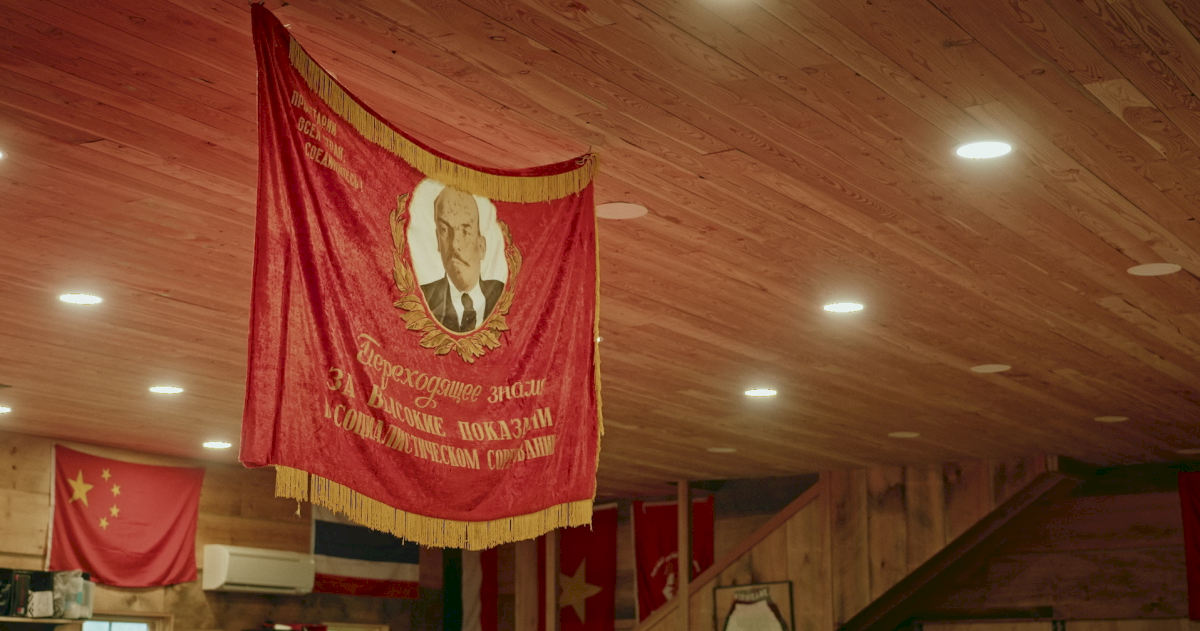
[A red flag featuring an image of Lenin and Cyrillic text hangs from the ceiling of a wood-paneled room; other flags and a staircase are visible in the background.]
James Cox Chambers Jr. attempts to challenge the system from within. In 2019, he left his family corporation, taking $250 million with him. He has since devoted his wealth to social causes – from protests against genocide in Palestine to founding a commune. “All About the Money”, dir. Sinéad O’Shea, is a penetrating study of the power of capital. In an era of extreme wealth concentration, is it possible to imagine a different world while still operating within the current system?
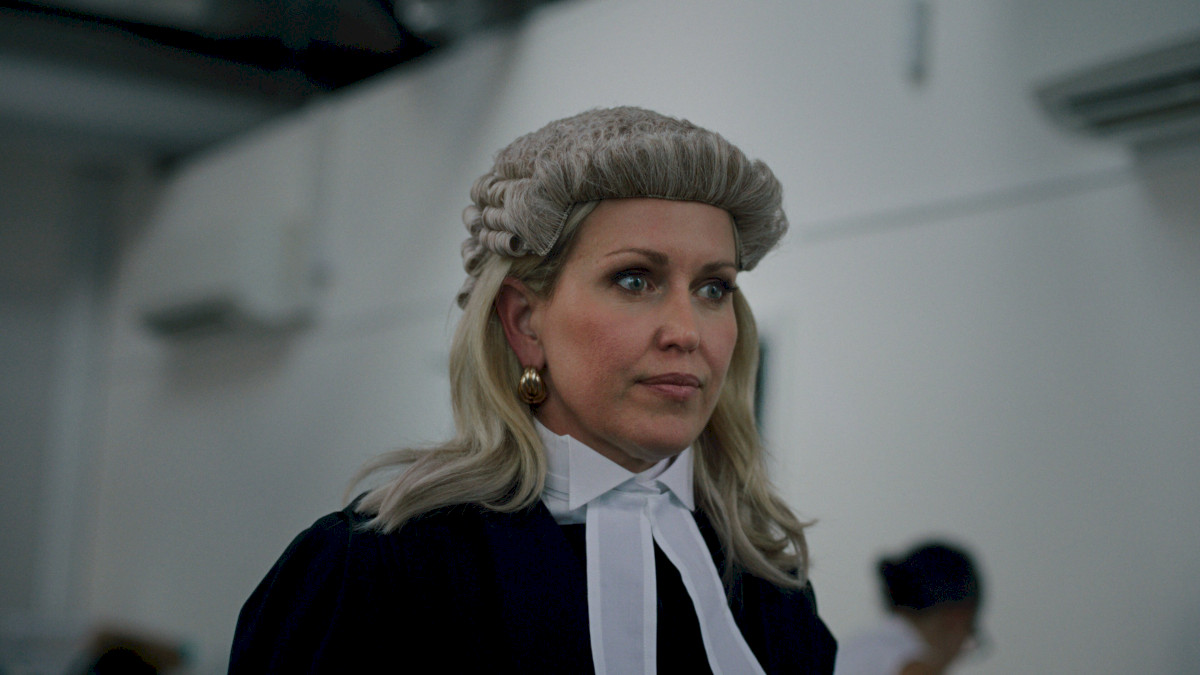
[A woman in a judge’s robe and wig stands in a courtroom, looking ahead with a serious expression.]
The #MeToo movement also reveals much about systemic realities. It did not bring full freedom of speech; instead, women who speak out about abuse increasingly face silencing through defamation laws. “Silenced”, dir. Selina Miles,takes us into courtrooms and behind the scenes of media coverage, showing how the legal system can become a tool of discreditation and secondary violence. Narrated by human rights lawyer Jennifer Robinson, the film features figures such as Brittany Higgins, journalist Catalina Ruiz-Navarro, and Amber Heard – just a few among many women who have been “silenced.”

[Two doctors are talking to each other; both are wearing medical clothing, and one has their face covered with a mask.]
The competition does not look away from the situation in the Middle East either. A Palestinian, a Jew, and a Zoroastrian travel to Gaza to save lives. Despite their differences, they are united by a strong sense of professional and moral duty. As U.S. citizens, they call for action from their government while confronting the political dimension of the conflict. “American Doctor”, dir. Poh Si Teng, is a moving story about courage, ethics, and responsibility in wartime.
Reality with a wink

[Two men stand next to each other; one is leveling freshly laid asphalt on a sidewalk with a tool, while the other smokes a cigarette and leans against a fence.]
The final two films approach serious topics with humor and irony. How can one be a filmmaker in today’s world when their ideas don’t necessarily appeal to producers? John Wilson, known from his HBO series, takes us on a journey through the fascinating world of concrete in “The History of Concrete”. A material that surrounds us becomes a starting point for unexpected, witty encounters and reflections on urban life.
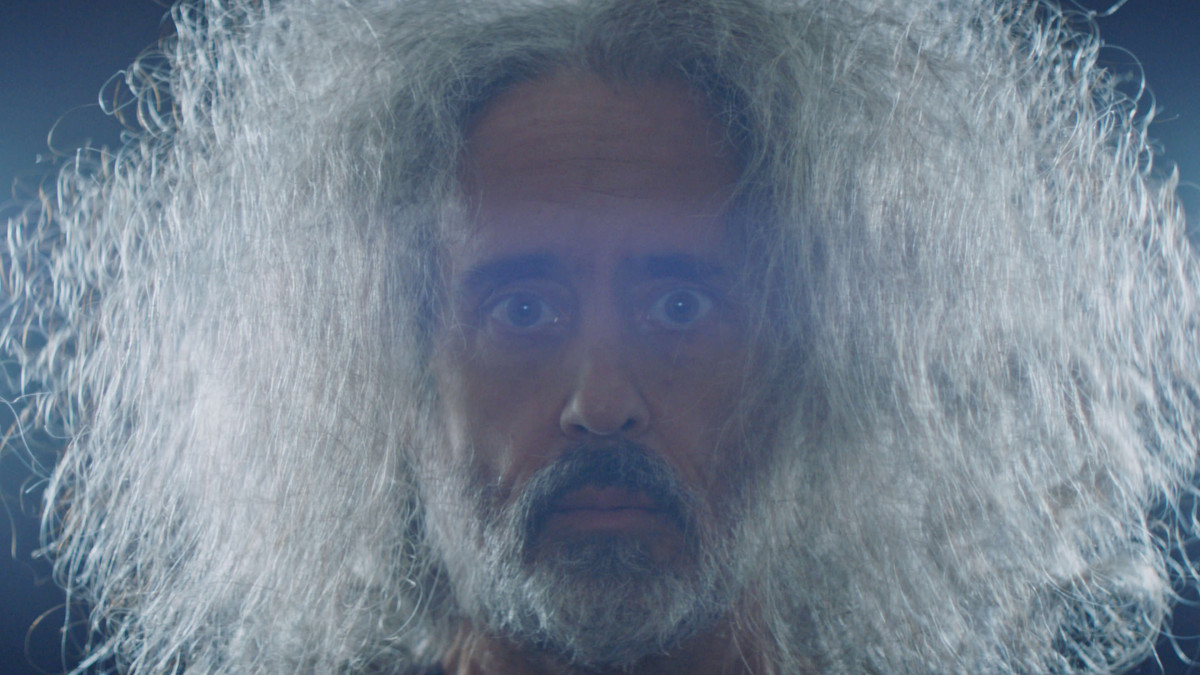
[A close-up of a man with very messy gray hair and a beard, looking directly into the camera under cool studio lighting.]
A similarly light (if darkly humorous) perspective is found in “André Is an Idiot”, dir. Tony Benna. André, who ignored colonoscopy screenings his entire life, now faces a terminal diagnosis. A creative director in advertising, he decides to turn his final chapter into an experiment filled with humor and curiosity about the world. The film explores mortality in the same spirit André lived – with wild humor.