Once again, the Women Changing the World section will appear in the MDAG program. It will feature intimate stories of fearless pioneers who fight for equality regardless of the cost. The New York, I Love You, But… section, in turn, is a collection of films about New York’s artistic bohemia - people who had a complicated relationship with the metropolis, yet still found inspiration in it.
The 23rd MDAG will take place from May 8 to May 17, 2026, in cinemas in seven cities (Warsaw, Wrocław, Gdynia, Poznań, Katowice, Łódź, and Bydgoszcz), and online from May 19 to June 1 at mdag.pl.
Women Who Shaped History
The protagonists of the “Women Changing the World” section break stereotypes, practice some of the most dangerous sports at a professional level, create artistic work that is fundamental to culture, fight for social justice, and make their mark in history.
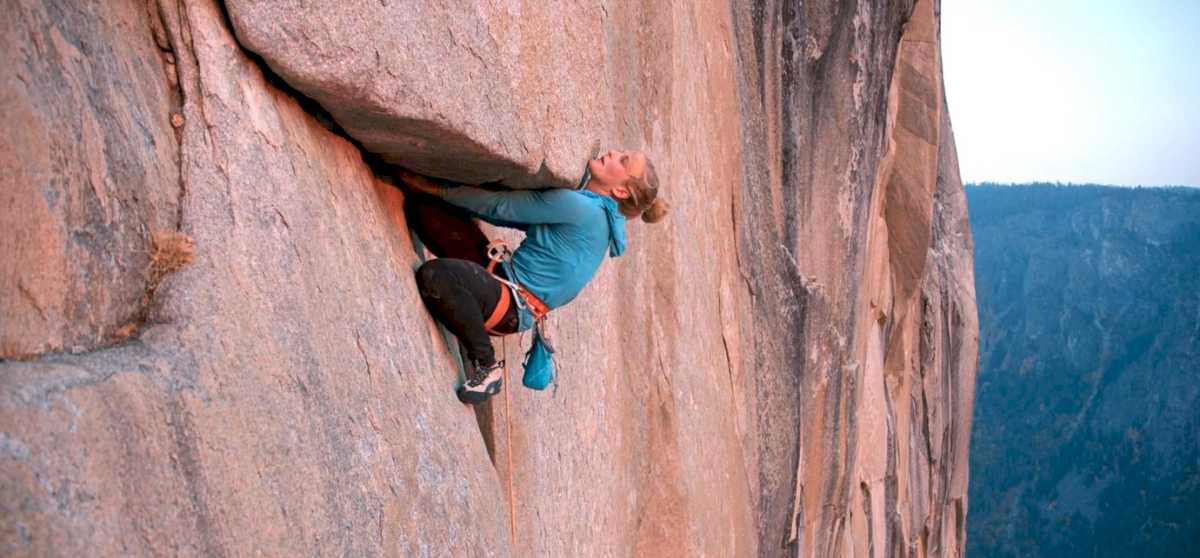
[A woman in a climbing harness climbs a steep rock face, gripping a rock hold; in the background, a vast mountainous landscape can be seen.]
Emily Harrington was the first woman to climb El Capitan in Yosemite National Park in under 24 hours. The main protagonist of the film "Girl Climber", directed by Jon Glassberg, is an example of perseverance, determination, and sacrifice in breaking barriers, as well as of the physical and emotional struggle with one’s own limitations.

[A person wearing a helmet and a life vest paddles a red kayak through the plunging, foaming water of a waterfall, holding a paddle and maneuvering in the powerful current.]
Mariann Sæther, a world-class extreme kayaker, two-time world champion, and mother of two, in the film “I Follow Rivers”, directed by Barbora Holland, decides to attempt an extraordinary feat-descending the famous Aldeyjarfoss waterfall in Iceland, considered one of the most spectacular achievements in extreme kayaking.
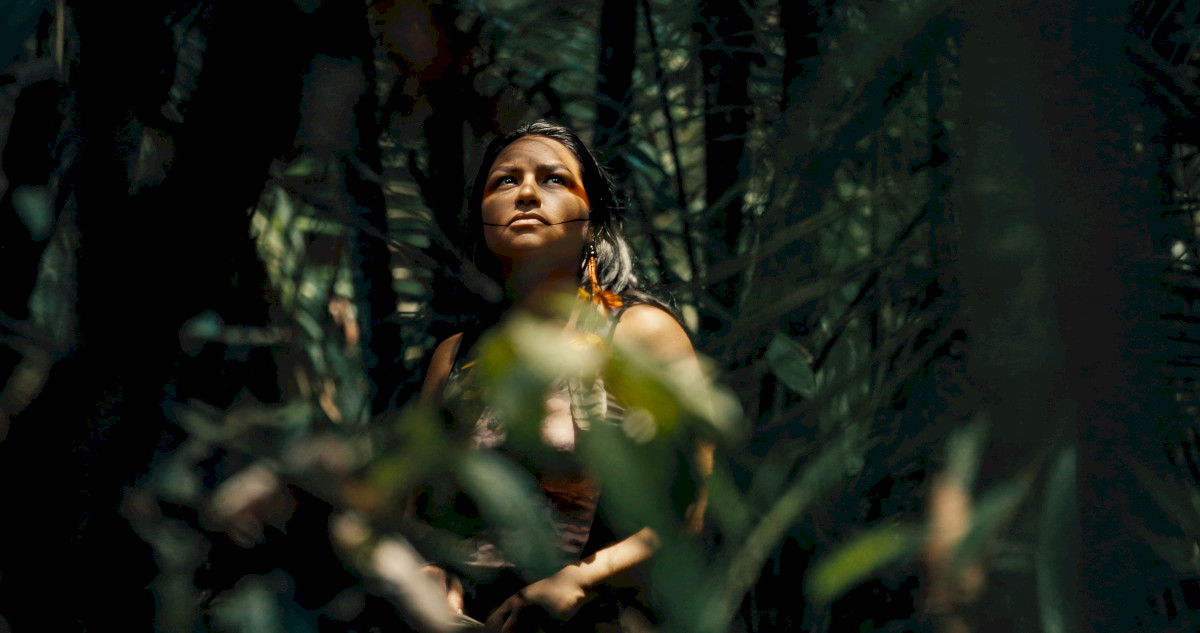
[A woman with long, dark hair stands among dense trees in a forest and looks upward; rays of light filter through the leaves and branches.]
The section also features brave heroines who reveal the truth at any cost. Juma Xipaia is an Indigenous leader from the Brazilian Amazon who rises from a remote village to the heights of power as Brazil’s first Secretary for Indigenous Peoples’ Rights. Her fight for her own life, the sovereignty of Indigenous peoples, and the future of our planet is portrayed in the film “Yanuni”, directed by Richard Ladkani.
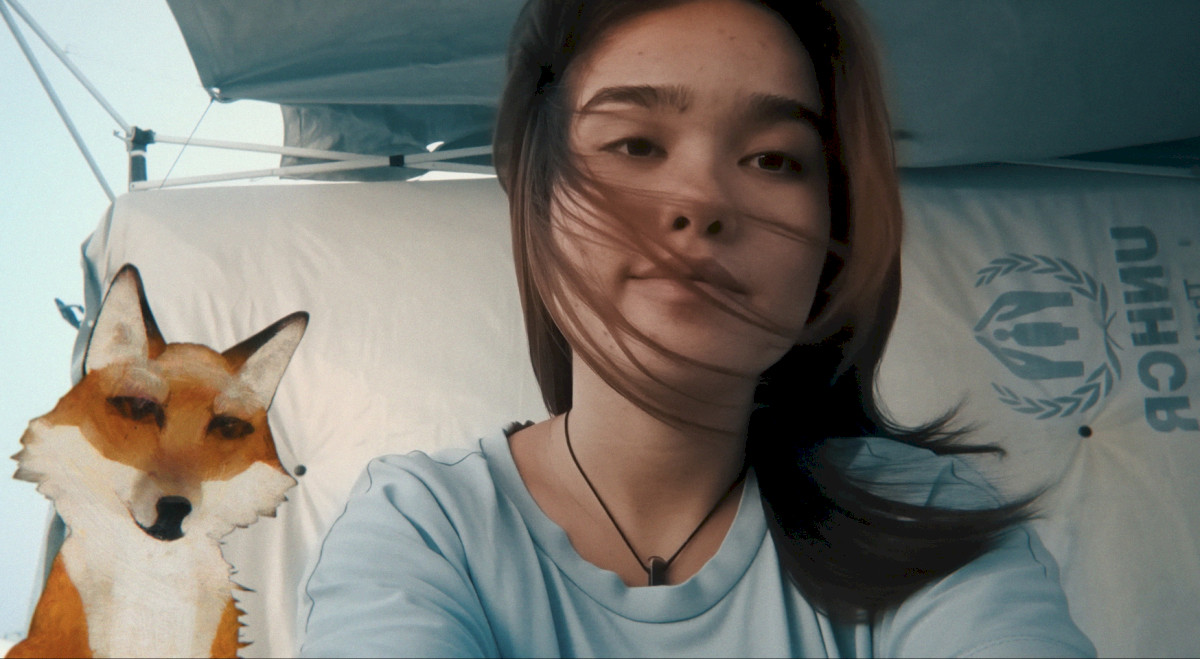
[Młoda kobieta siedzi pod namiotem, a wiatr rozwiewa jej włosy; obok niej znajduje się ilustracja lisa na materiale lub tablicy.]
“A Fox Under a Pink Moon”, directed by Soraya Akhalaghi and Mehrdad Oskouei, is a deeply moving story of the journey of 16-year-old Afghan artist Soraya Akhalaghi. For five years she attempted to escape from Iran from her abusive husband to her mother, living in Europe. Today she is rewriting her story through drawings and sculptures in which she smuggles the symbols of a fox and a pink moon.
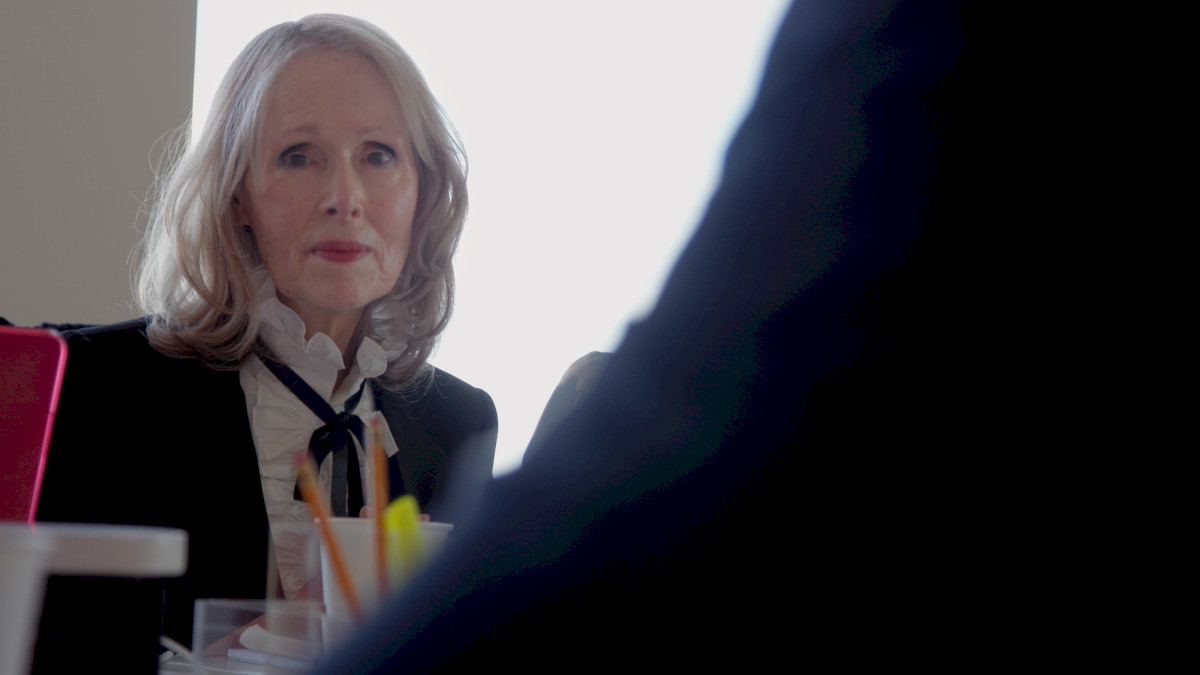
[Starsza kobieta z siwymi włosami siedzi przy stole w jasnym pomieszczeniu i patrzy uważnie na osobę siedzącą naprzeciwko; na stole stoi kubek oraz pojemnik z ołówkami.]
Among the fearless protagonists are also those who have written – and continue to write – themselves into history through their contribution to culture. “Ask E. Jean”, directed by Ivy Meeropol, tells the story of E. Jean Carroll, who broke barriers as the first female editor at magazines such as Esquire, Playboy, and Outside, helping redefine the role of women. She also became the only woman to win two sexual assault cases in court against Donald Trump.

[A smiling woman with short blonde hair sits on a couch in a bright living room with large windows and greenery visible in the background.]
The titular heroine of “Marlee Matlin: Not Alone Anymore”, directed by Shoshannah Stern, won an Academy Award® for her role in “Children of a Lesser God”, becoming the first Deaf recipient of the award. The documentary explores her career and life while reflecting on identity and showing how an individual's success can transform the social perception of an entire community.

[A woman dressed in a black legal robe and a traditional barrister’s wig stands in a courtroom with a serious expression, against the blurred interior of the building.]
“Silenced”, directed by Selina Miles, tells the story of what happened after the cultural silence surrounding violence was broken by the #MeToo movement. Survivors who chose to speak out began to face a new form of silencing and fear when defamation laws started being used as tools against them. International human rights lawyer Jennifer Robinson takes viewers behind the headlines and high-profile cases to reveal the dangers lurking in the shadows.
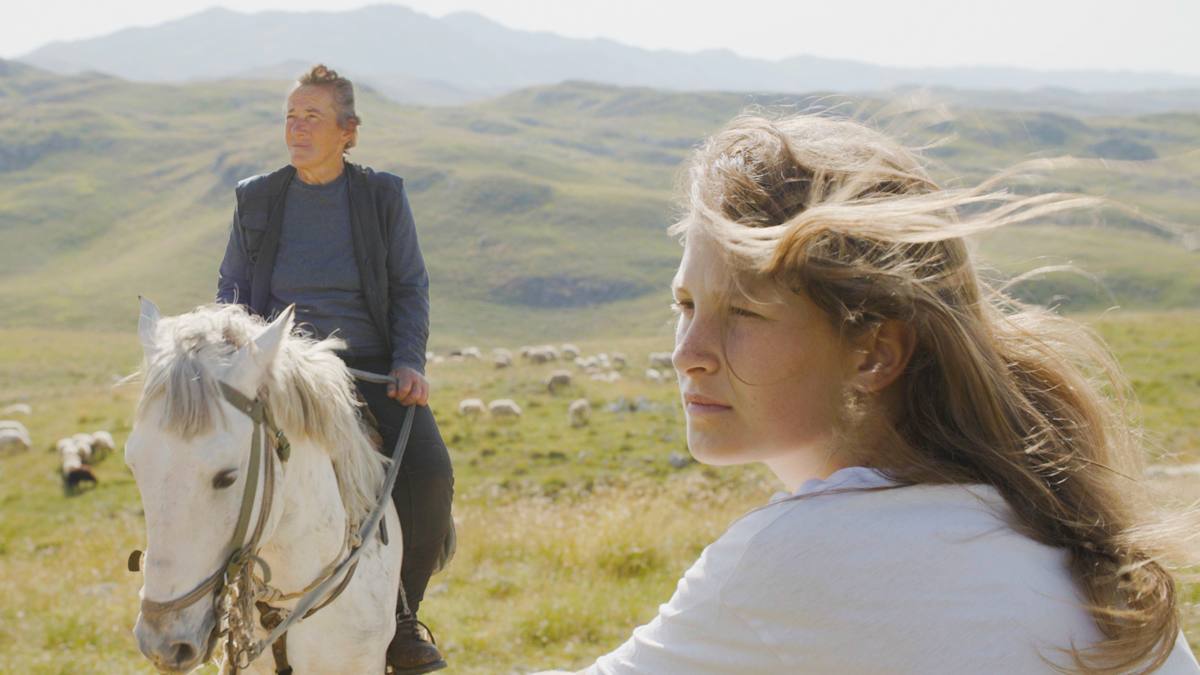
[A woman sits on a white horse in a vast meadow, while in the foreground a young woman looks into the distance; in the background there are hills, mountains, and a flock of grazing sheep.]
Gara and her 13-year-old daughter Nada also take up the fight. Every summer they return to their native pastures in the mountains of Montenegro, where they herd animals, gather herbs, and live in harmony with the mountain they call Mother. That harmony is threatened by plans to establish a military training ground supported by NATO. Will the heroines of the film "To Hold a Mountain”, directed by Biljana Tutorov and Glomazić, manage to prevent the destruction of their land?
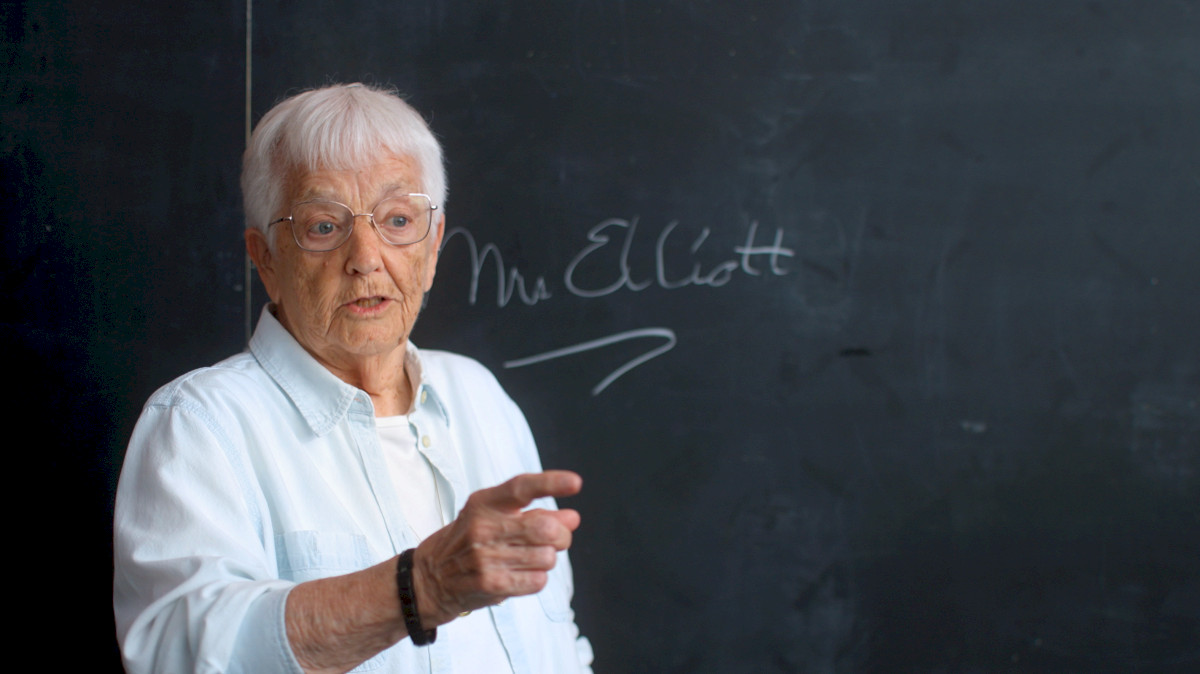
[An older woman wearing glasses stands in front of a board with the words “Mrs Elliott” written on it and gestures forward with her hand, as if during a lecture or class.]
A teacher from a rural school in Iowa became a nationwide voice against racism after conducting the “Blue Eyes/Brown Eyes” social experiment in 1968, immediately after the assassination of Martin Luther King Jr. The media attention that followed brought her lesson to the entire country. Today she is nearly 90 years old and has no intention of remaining silent in the face of contemporary debates about race, history, and power. Through interviews with her family and archival materials, the film “Jane Elliott Against the World”, directed by Judd Ehrlich, tells the story of this heroine in the fight against discrimination.
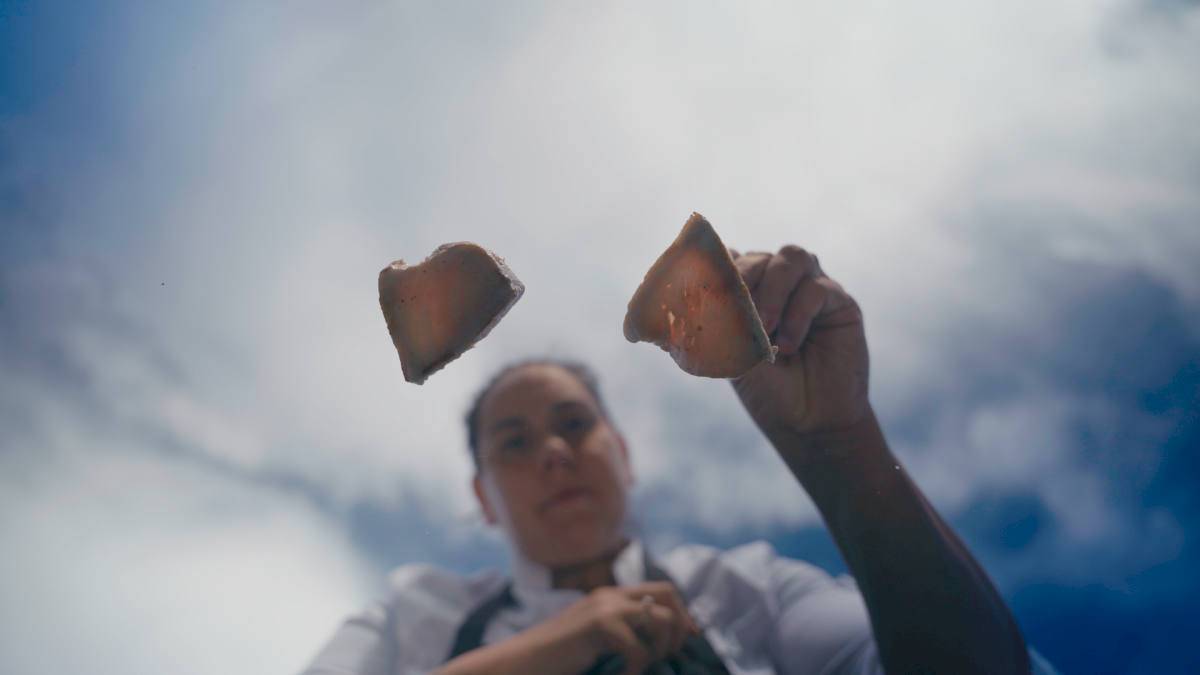
[A woman seen from below holds two pieces of food raised in her hand against the background of a bright sky with clouds.]
Meanwhile, the film “The Fifth Season”, directed by Giuseppe Carrieri, takes us into the world of five outstanding Italian female chefs who speak about the choices they have made in their careers and about their recipes – testimonies to equality and accessibility, values so often denied in their professional environment.
New York, New York...
Can the city that never sleeps truly be loved? According to Hollywood cinema of the second half of the twentieth century, this metropolis can fulfill every dream. The documentaries in the “New York I Love You, But…” section sometimes challenge that narrative. They are letters: sometimes love letters, sometimes filled with regret. The city may seem like a safe haven for those seeking inspiration. But is it really?

[Two men stand and talk in a parking lot next to a red-and-white striped concrete mixer truck, with a fenced industrial area with warehouses and crates in the background.]
New York is a land of concrete, like any great city. John Wilson, creator of the popular HBO series “How To with John Wilson”, decides to examine the material that forms the foundation of everyday life in the film “History of Concrete” dir. John Wilson. Concrete is the most widely used building material in the world, filling the New York beloved by the director. To tell its story, Wilson uses the formula of Hallmark-style films to make his movie more appealing, while at the same time trying to reconcile artistic freedom with the realities of the contemporary film market.

[A woman wearing a baseball cap sits on an open-top tour bus, with the Brooklyn Bridge and the New York City skyline visible in the background.]
In the corners of New York’s concrete landscape, artists’ stories are born. For Siri Hustvedt, New York became a canvas. She left quiet Minnesota to find the heroine of her first novel in this vibrant city. Her work became one of the most distinctive voices in contemporary American literature. “Siri Hustvedt – Dance Around the Self”, directed by Sabine Lidl, intertwines creativity with love and the farewell to Hustvedt’s beloved husband, Paul Auster, while also exploring questions of identity.
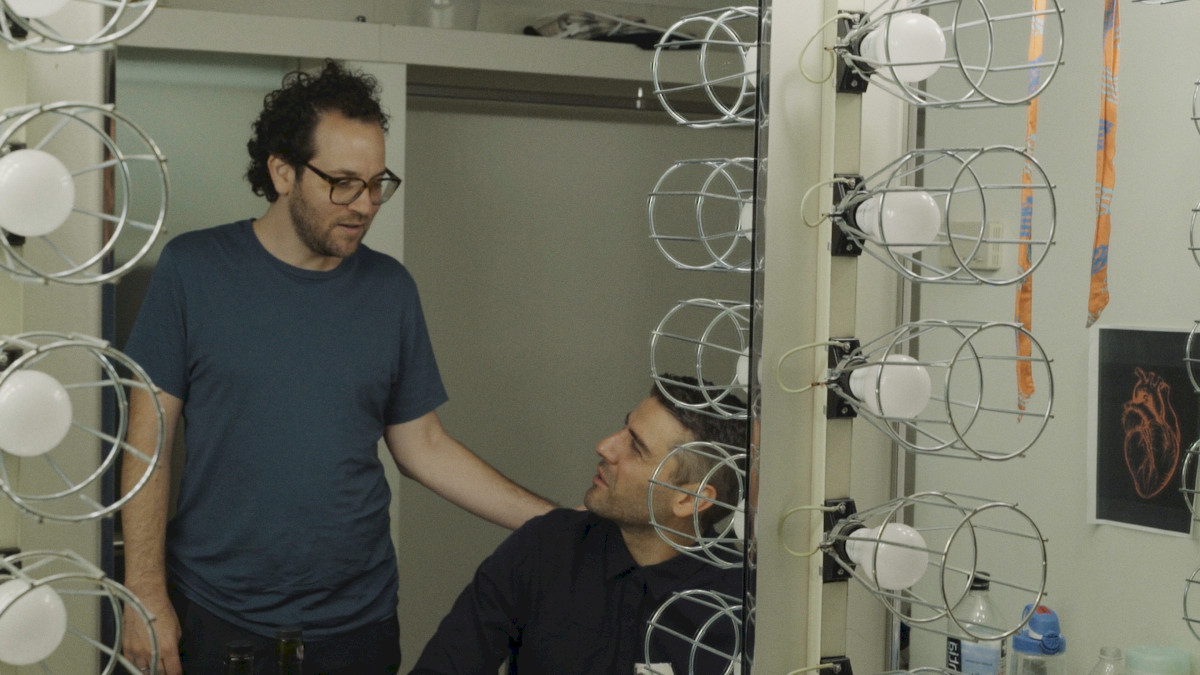
[Two men talk in a dressing room in front of a mirror surrounded by light bulbs; one is standing and places his hand on the shoulder of the seated man.]
The films in this section are also family stories. Director Elvira Lind turns the camera toward her own family while documenting her husband’s creative process. “King Hamlet”, directed by Elvira Lind, follows Isaac as he prepares for one of the most demanding theatrical roles – Hamlet at the Public Theater in New York – during a pivotal period of his life.
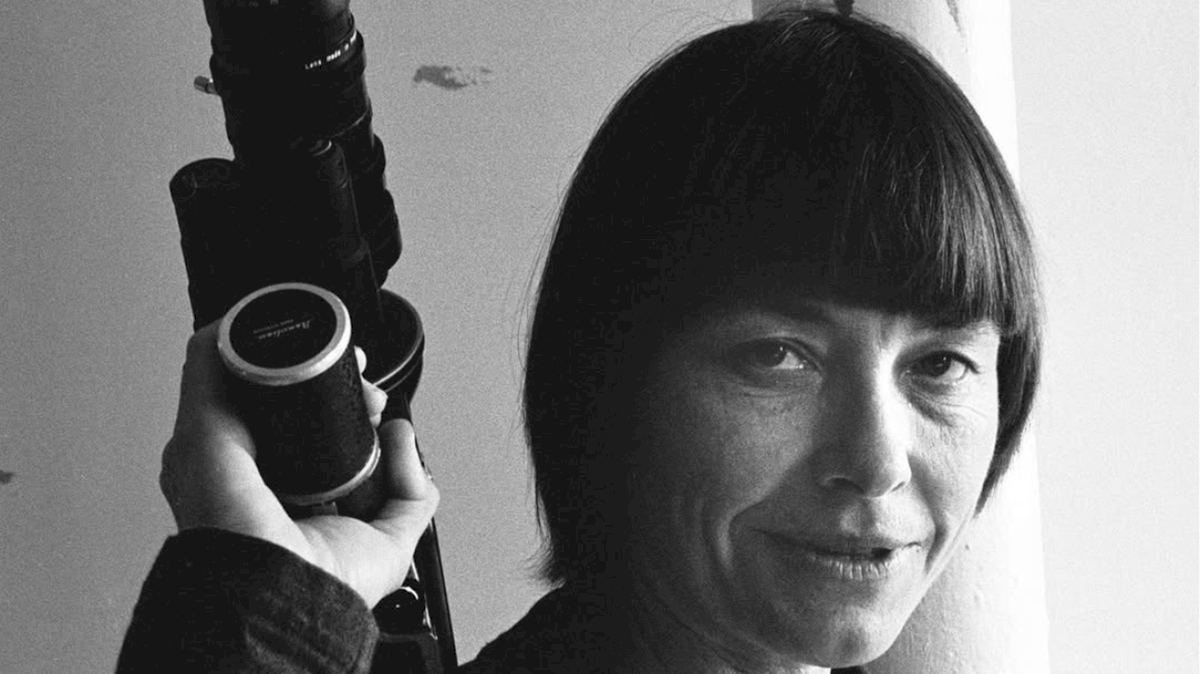
[A black-and-white close-up of a woman with short hair holding a camera in her hand and looking toward the lens.]
Barbara Hammer, the protagonist of the film “Barbara Forever”, directed by Brydie O’Connor, also found a space for inspiration in New York. Hammer was a symbol of resistance for the communities around her: the feminist and queer movements of 1970s San Francisco, the male-dominated New York art world of the 1980s, and the New Queer Cinema movement of the 1990s. She contributed to greater LGBTQIA+ representation in art and culture in the early decades of the 21st century. “Barbara Forever” examines the director’s films, archives, and the impact of her experimental work on culture.
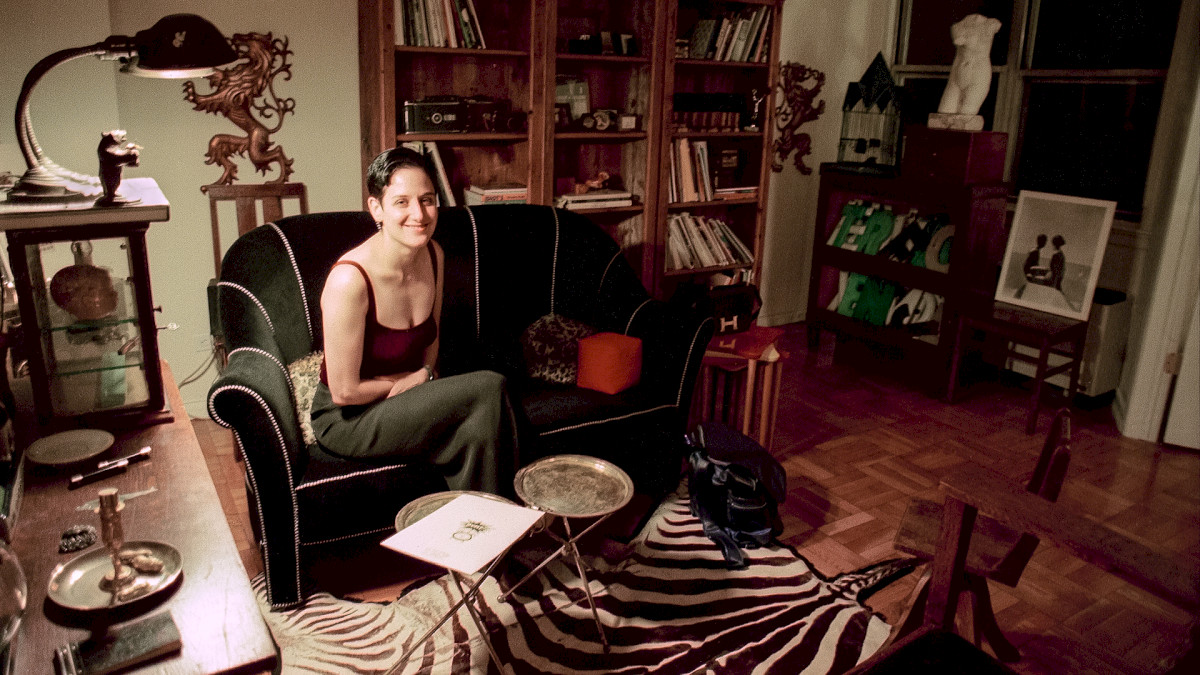
[A smiling woman sits in an armchair in a cozy living room; around her are wooden bookshelves filled with books, a lamp, sculptures, and other decorations.]
“Benita”, directed by Alan Berliner, is another intimate portrait of an artist. Benita Raphan died by suicide during the COVID-19 pandemic. Before her death, she created several beautiful short films exploring the relationship between mental health, innovation, and creativity. The film is a portrait of a filmmaker made by another filmmaker. Berliner patiently examined Benita’s personal archives and made an extraordinary discovery that changed his understanding of her life, work, and death.
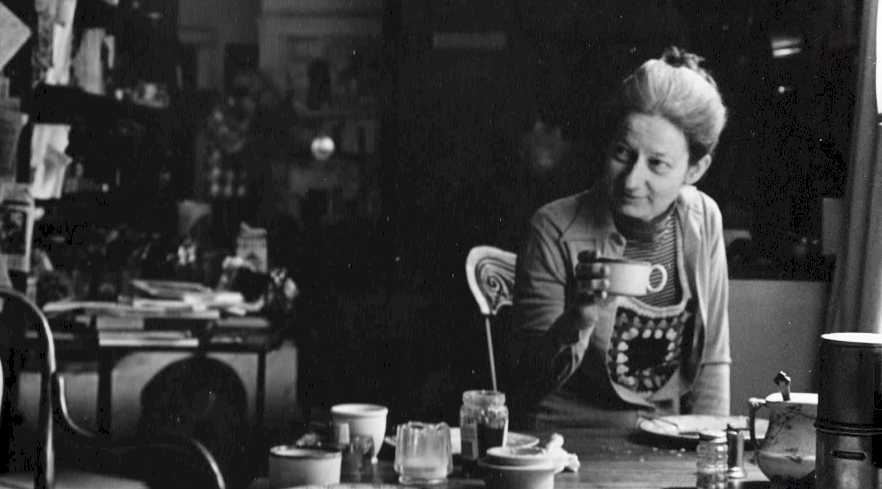
[A smiling woman sits in an armchair in a cozy living room; around her are wooden bookshelves filled with books, a lamp, sculptures, and other decorations.]
The section also transports us to 1950s New York. At that time, three women artists defied social norms and placed their art above the traditional roles of wives and mothers when they bought a house together. “Artists in Residence”, directed by Katie Jacobs, explores the emotional complexities of being an artist, a mother, and a woman.
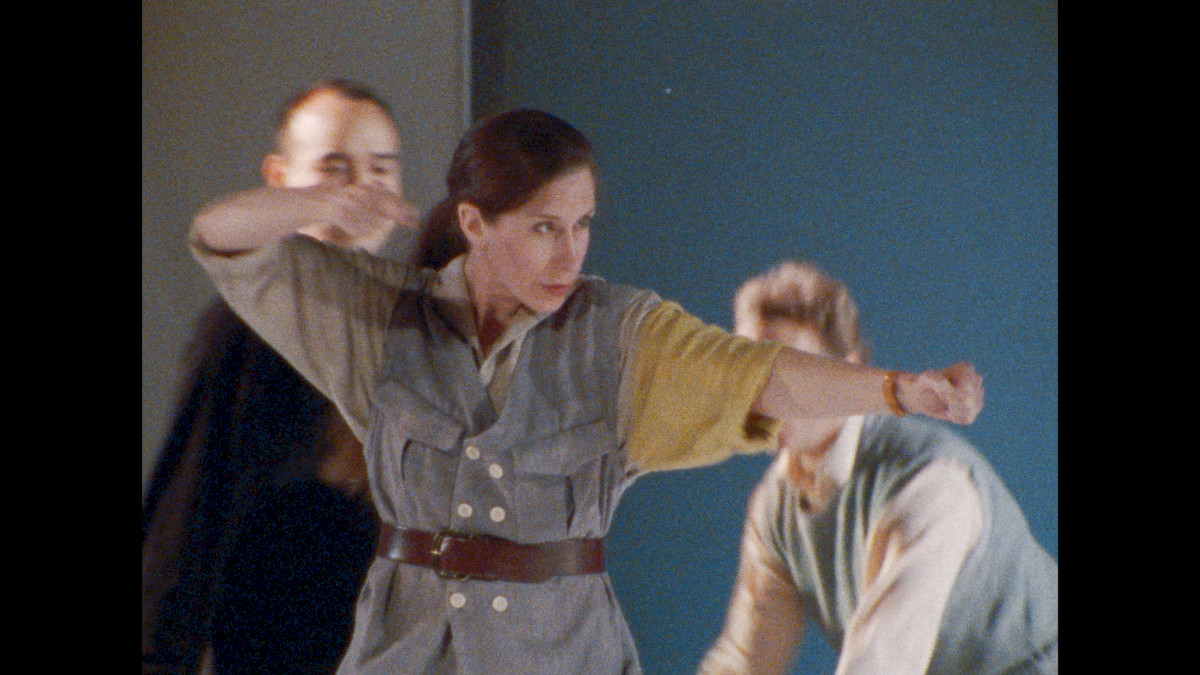
[A woman on stage makes an energetic gesture with her arms outstretched during a dance or theatrical performance, with two slightly blurred figures standing behind her.]
Meanwhile, the artistic bohemia of the 1960s and 1970s appears in the film “Monk in Pieces”, directed by Billy Shebar and David Roberts. Meredith Monk had to fight for recognition and funding in the male-dominated artistic environment of downtown New York in the 1960s and 1970s, and early reviews of her work in The New York Times were malicious and sexist. The film is a mosaic reflecting the structure of her own work and revealing her extraordinarily original artistic language.