Excellent news for Polish cinema comes from Amsterdam, home to the IDFA festival - the world’s largest celebration of non-fiction cinema. “Women and War”, the latest documentary directed by Elwira Niewiera, will not only celebrate its world premiere there but has also been selected for the Main International Competition, where feature-length documentaries from across the globe compete. This Polish-German-Ukrainian co-production by the acclaimed Polish director will have its national premiere during the 24th Millennium Docs Against Gravity (MDAG) festival in May 2027.
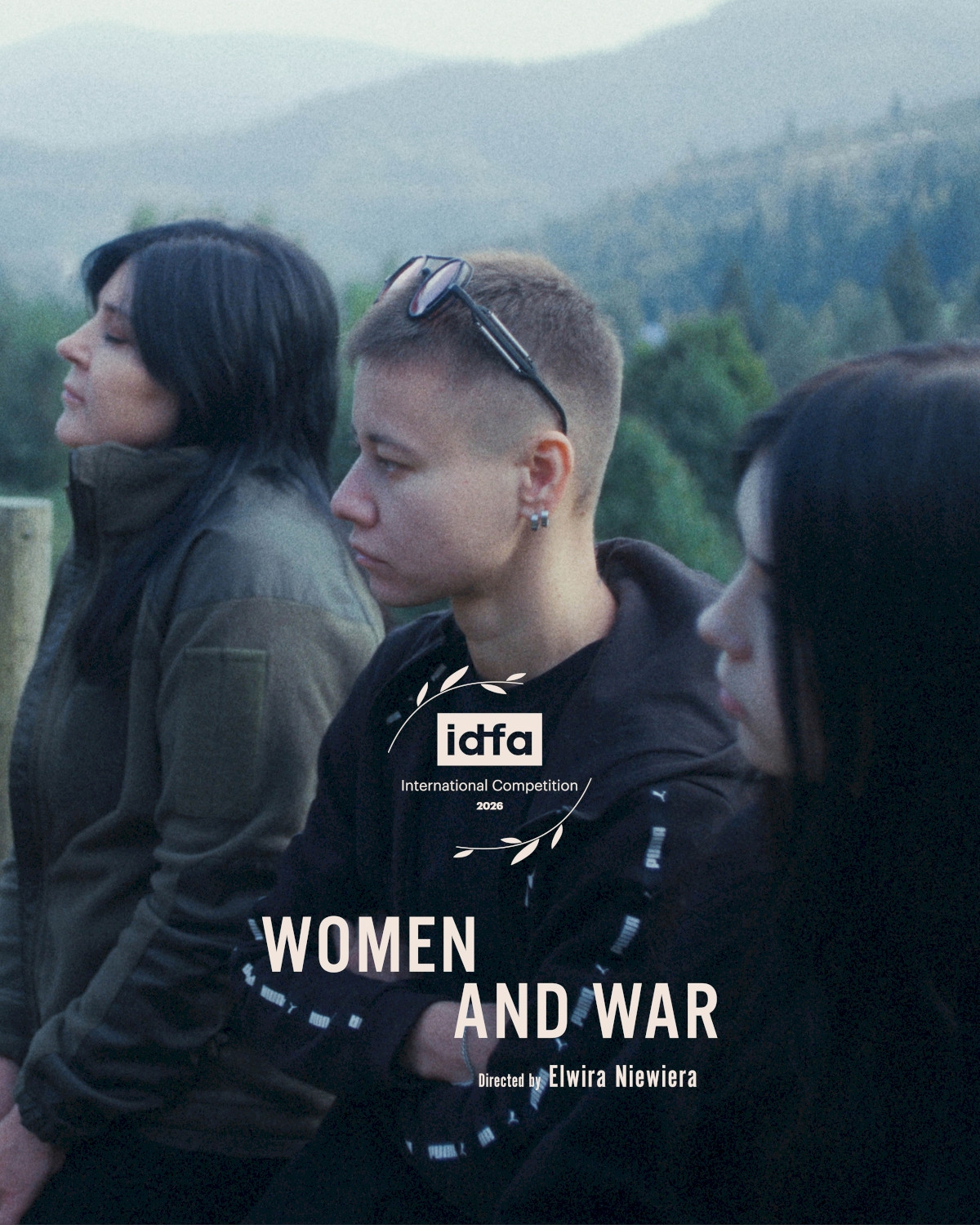
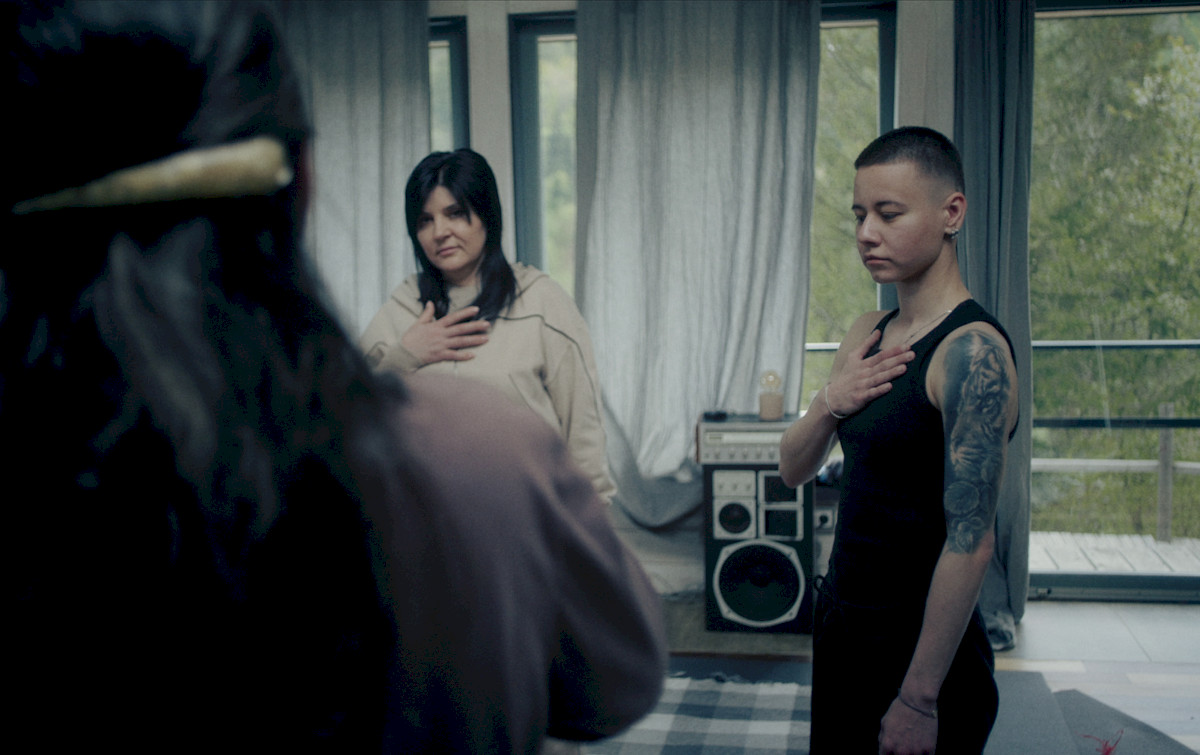
The film centres on four Ukrainian women who have survived war crimes and are now striving to reclaim the lives stolen from them by the conflict. Elwira Niewiera reveals what is typically absent from standard war reporting. She closely observes the arduous process of regaining emotional balance once the immediate threat has passed, yet the trauma remains. “Women and War” is an intimate tale of female resilience and the struggle to overcome the aftermath of war, told entirely from a woman's perspective. Olena, Yulia, Iryna, and Lena have survived events that altered their lives forever. For a year, Elwira Niewiera and cinematographer Piotr Rosołowski accompanied them during their therapy at a rehabilitation centre in the Ukrainian Carpathians. Surrounded by nature and under the care of psychologists, the women gradually confront their trauma and attempt to restore their mental well-being. Captivity, torture, sexual violence, months spent in dark basements, the loss of loved ones – each woman harbours different memories and processes them in her own unique way. For them, returning to everyday life does not mean the war is over. Their past experiences continue to impact their lives, their relationships with loved ones, and how they perceive the world. Therapy sessions help them slowly rebuild trust in themselves and their own bodies, as well as find ways to move forward. However, “Women and War” is not solely a film about trauma. It is also a story of closeness, mutual support, and the immense courage required to return to normality. The documentary portrays these women not merely through the prism of the violence they endured, but first and foremost as individuals who, despite their harrowing experiences, are determined to reclaim their lives.
“For years, I have been working with women in Ukraine who have survived war crimes. This experience has taught me that, for them, the war does not end when the immediate threat ceases,” says Elwira Niewiera, adding: “The war lingers in their thoughts, remains lodged in their bodies, and is present in their everyday lives. Violence against women during armed conflicts is often met with silence, even though rape and torture are deliberately employed as instruments of terror, designed to break women psychologically and destroy close relationships within entire communities. As a director and as a woman, I felt a responsibility to provide these women with a space where their voices could be heard. I did not want them to be defined solely by their trauma. I wanted to showcase their courage, strength, and determination on their journey towards gradually regaining their equilibrium. There are deeply painful moments here, but there is also room for warmth and empathy. It was crucial for me to show that my protagonists are much more than merely victims of war. I hope this story will help restore their sense of dignity and demonstrate to the world the strength and perseverance with which they fight to win back their lives. Making this film is also my expression of protest against what is happening in Ukraine. I wanted to draw attention to the long-term consequences of the war and serve as a reminder of how vital it is to support women in Ukraine.”
Elwira Niewiera is a director and screenwriter of multi-award-winning documentaries, including “The Domino Effect” (2014), “The Prince and the Dybbuk” (2017), and “The Hamlet Syndrome” (2022). Her films have garnered numerous international accolades, such as the Venezia Classici Award at the Venice Film Festival, the Grand Prix at Semaine de la Critique in Locarno, the Golden Dove at DOK Leipzig, the Golden Horn and Golden Hobby-Horse at the Krakow Film Festival, and the Polish Film Award (Orzeł). In her work, she focuses on political and social transformations in Eastern Europe and the war in Ukraine.
The film is produced by Maciej Kubicki (Telemark, Poland), Hans Robert Eisenhauer (Ventana Film, Germany), and Natalia Krasilnikova (Art Dialogue, Ukraine). It is a co-production with ZDF, in collaboration with ARTE, TVP, and MX35. The film is co-financed by the Polish Film Institute, the FFA, the DFFF (German Federal Film Fund), the BKM (German Federal Government Commissioner for Culture and the Media), the Ukrainian Cultural Foundation, Chicken & Egg Films, the Mieroszewski Centre, and the Helsinki Foundation for Human Rights – WATCH DOCS Fund.
The 24th MDAG will take place from May 7 to 16, 2027, in cinemas across seven cities (Warsaw, Wrocław, Gdynia, Poznań, Katowice, Łódź, and Bydgoszcz), and from May 18 to 31 online at mdag.pl! The title sponsor of the event is Bank Millennium (https://www.bankmillennium.pl/).