The Berlinale, one of the largest film festivals in Europe, has come to an end, and the MDAG programmers have returned with the best documentary titles, acclaimed by both juries and audiences. The program of the 23rd edition of the Millennium Docs Against Gravity festival will feature many films that had their world premieres in Berlin. Among them are “Barbara Forever”, winner of the prestigious Teddy Award for Best Documentary Film, and "Traces”, honored with the Panorama Audience Award.
These and other titles from this year’s Berlinale will be shown to Polish audiences for the first time from May 8 to 17, 2026, in cinemas across seven cities. The online edition of MDAG will take place from May 19 to June 1 at mdag.pl.
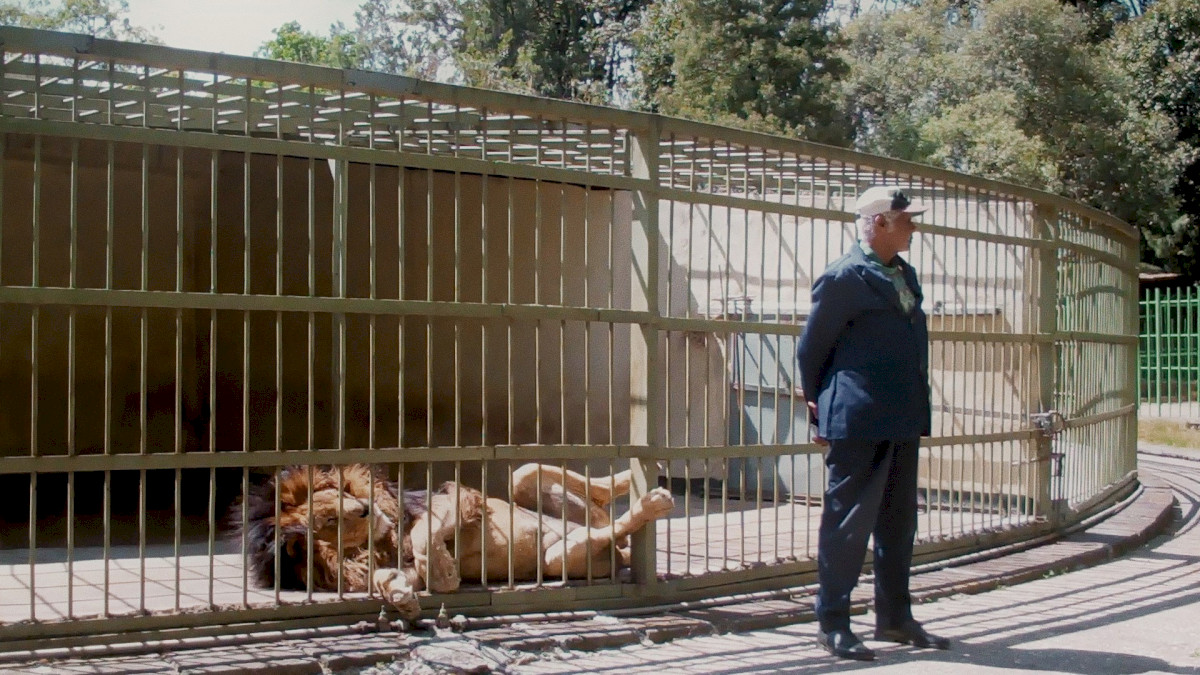
“Wax & Gold,” dir. Ruth Beckermann
The Hilton Addis Ababa is one of the most luxurious hotels in Africa. It was built by the controversial Emperor Haile Selassie I during the transformative 1960s in Ethiopia. Ruth Beckermann delves into the country’s complex past and present, moving between what is native and foreign, between fact and fiction. The director combines archival footage featuring the emperor with contemporary conversations held inside the hotel, as well as her own reflections as a European, searching for a historical truth marked by contradictions. The opulence of the hotel stands in stark contrast to the surrounding city: at bus stops, crowds of workers stretch for dozens of meters, and skeletal high-rises await completion.
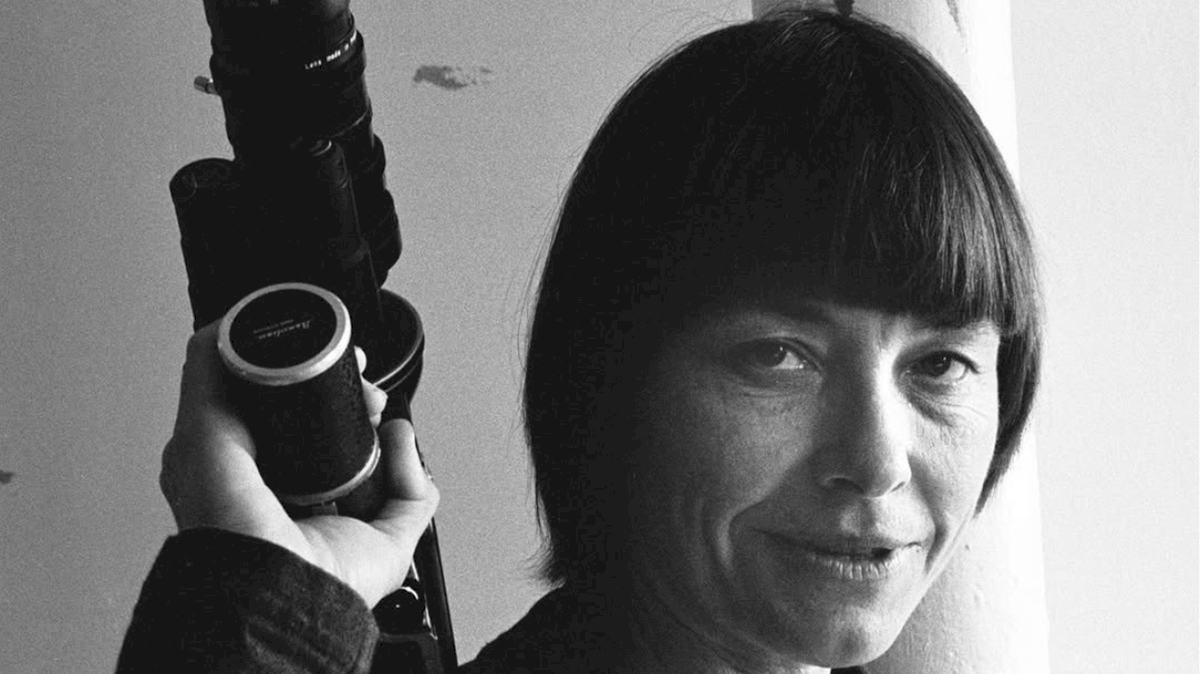
“Barbara Forever,” dir. Brydie O'Connor
“Barbara Forever” explores the films, archives, and enduring cultural impact of experimental filmmaker Barbara Hammer, highlighting her artistic effort to create and preserve lesbian histories—both personal and situated within broader social discourse. Hammer was a symbol of resistance within the communities around her: the feminist and queer movements of 1970s San Francisco, the male-dominated New York art world of the 1980s, and the New Queer Cinema movement of the 1990s. She contributed to greater LGBTQIA+ representation in art and culture in the early decades of the 21st century. The film received the Teddy Award for Best Documentary Film.
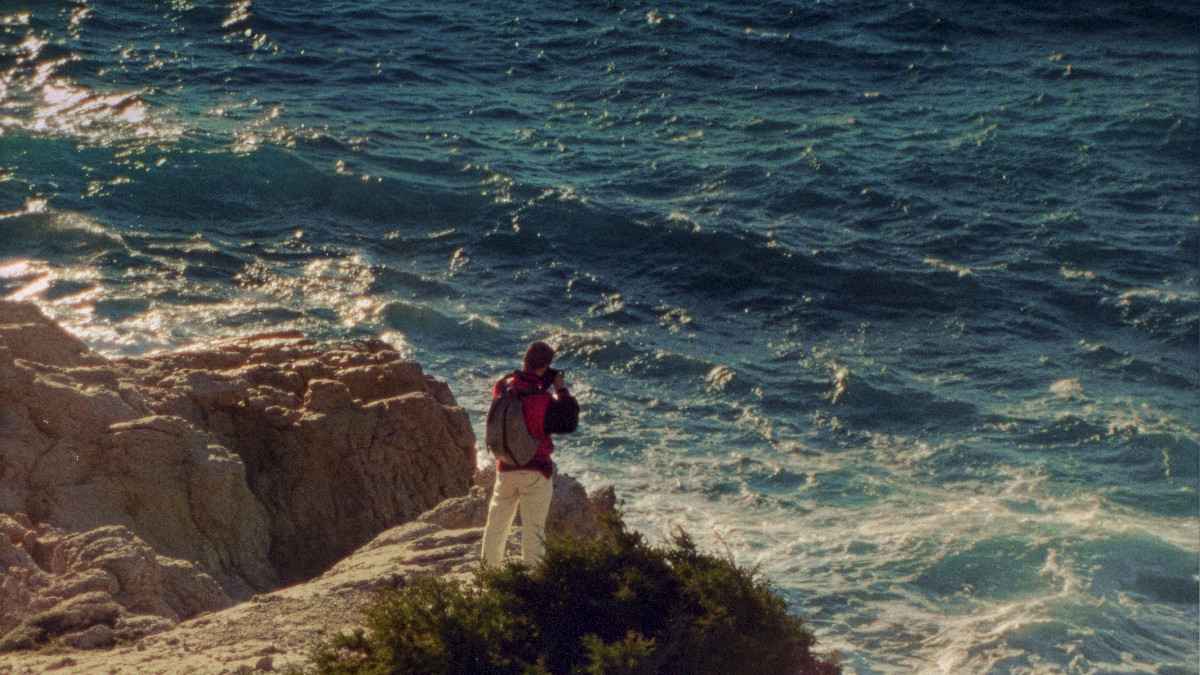
“The Hidden Face of The Earth,” dir. Arnaud Alain
Dimitri loves photographing the people around him. However, for years the images have been gradually disappearing from his field of vision. He knows that one day he will lose his sight completely. He can no longer take photos the way he once did. So, day and night, hidden behind his camera lens, he gathers images and light. The director follows Dimitri through the streets of Paris, New York, and other cities as he strives to capture new frames. Along the way, they meet friends, including Pierre, who lost his sight twenty years ago, as well as lovers and strangers—encountered by chance or during photo sessions. The protagonist’s photographs enter into dialogue with the director’s visions and reflections.
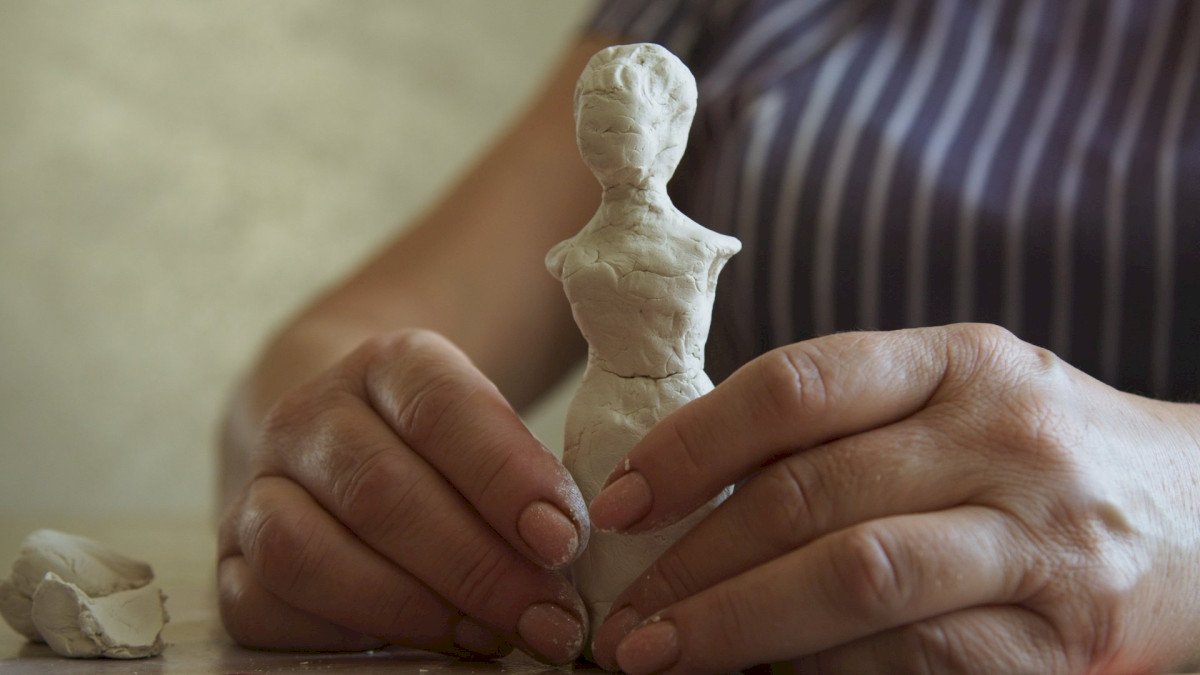
“Traces”, dir. Alisa Kovalenko, Marysia Nikitiuk
The film tells the story of Ukrainian women who, after experiencing conflict-related sexual violence (CRSV) and torture during the Russian invasion of Ukraine, refuse to remain silent. Iryna Dovhan, one of the women who was tortured, now documents testimonies of survivors in the liberated territories of Ukraine. Through her work, the film creates a collective portrait of trauma while opening space for hope. Iryna, together with other women who survived, transforms her pain into strength in pursuit of truth, justice, and mutual support. The film received the Panorama Audience Award for Best Documentary Film.